Physical wellbeing is a fundamental part of overall wellbeing. It refers to how well the body functions in daily life, including energy levels, physical comfort, strength, and the ability to perform everyday activities without excessive fatigue or discomfort. Maintaining physical wellbeing does not require intense workouts or extreme diets. Instead, it is built through consistent and balanced daily habits.
This article explains what physical wellbeing means and how simple lifestyle choices can support a healthier and more active body.
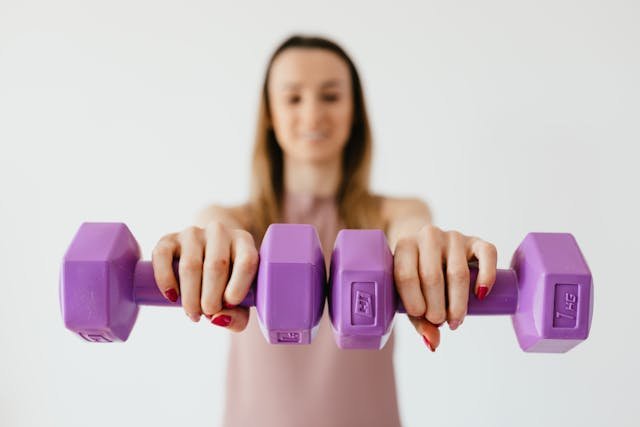
What Is Physical Wellbeing?
Physical wellbeing focuses on caring for the body through movement, rest, nutrition, and healthy routines. It reflects how the body feels, performs, and recovers over time. When physical wellbeing is supported, individuals often experience better energy, improved sleep, and greater resilience to daily stress.
Good physical wellbeing does not mean perfection or peak fitness. It means maintaining a level of health that allows the body to function comfortably and efficiently in everyday life.
Why Physical Wellbeing Is Important
Physical wellbeing directly influences mental and emotional health. When the body feels tired or neglected, concentration and mood can be affected. On the other hand, a healthy body supports clearer thinking, emotional balance, and overall life satisfaction.
Over time, neglecting physical wellbeing may lead to chronic fatigue, reduced mobility, or frequent discomfort. Supporting physical health early can help maintain independence and quality of life in the long term.
Daily Movement and Physical Activity
Regular movement is one of the most important elements of physical wellbeing. Physical activity helps maintain muscle strength, joint flexibility, and healthy circulation. It also supports energy levels and reduces physical tension.
Daily movement does not need to be intense. Walking, stretching, light exercises, or gentle activities performed consistently can provide significant benefits. Even short periods of movement throughout the day can help prevent stiffness and improve overall comfort.
The Role of Rest and Sleep
Rest is essential for physical recovery. Quality sleep allows the body to repair itself, restore energy, and support immune function. Irregular sleep patterns or insufficient rest may lead to fatigue, weakened focus, and reduced physical performance.
Establishing a consistent sleep routine can improve physical wellbeing. Going to bed and waking up at similar times each day helps regulate the body’s internal rhythm and supports long-term health.
Nutrition and Physical Wellbeing
Balanced nutrition plays a key role in maintaining physical wellbeing. Regular meals provide the body with the energy it needs to function throughout the day. Eating a variety of foods helps support muscle function, digestion, and overall physical balance.
Hydration is equally important. Drinking enough water supports circulation, digestion, and temperature regulation. Mild dehydration can affect physical comfort and reduce energy levels.
While nutrition alone does not guarantee physical wellbeing, consistent healthy eating habits support the body’s natural processes and daily performance.
Maintaining a Healthy Physical Routine
A healthy physical routine provides structure and consistency. Simple routines, such as regular meal times, daily movement, and scheduled rest, help the body adapt and function efficiently.
Listening to the body is also important. Recognizing signs of tiredness, discomfort, or strain allows individuals to rest or adjust activities before issues develop. Physical wellbeing improves when balance is maintained between activity and recovery.
Frequently Asked Questions
How much physical activity is needed for wellbeing?
The amount varies from person to person. Regular light to moderate activity performed consistently is often enough to support physical wellbeing.

Is physical wellbeing only about exercise?
No. Physical wellbeing includes rest, nutrition, hydration, and healthy routines, not just physical activity.
Can small changes improve physical wellbeing?
Yes. Small habits, such as daily walking or improved sleep routines, can lead to noticeable improvements over time.
Conclusion
Physical wellbeing is built through simple, consistent habits that support the body’s natural functions. By maintaining regular movement, balanced nutrition, quality rest, and healthy routines, individuals can improve physical comfort, energy, and overall quality of life. Small daily choices, practiced consistently, play a powerful role in supporting long-term physical wellbeing.
